If you have old machinery, demolition steel, offcuts or end-of-life equipment to clear, understanding scrap iron in UAE markets can help you get a fair deal and dispose of the material responsibly. Scrap iron is one of the most widely traded recyclable materials in the Emirates, feeding local steel production, fabrication workshops and export channels. This guide explains what counts as scrap iron, what affects its value, how dealers usually work, and how to prepare material so the process is smooth, safe and worthwhile.
What Counts as Scrap Iron in the UAE?
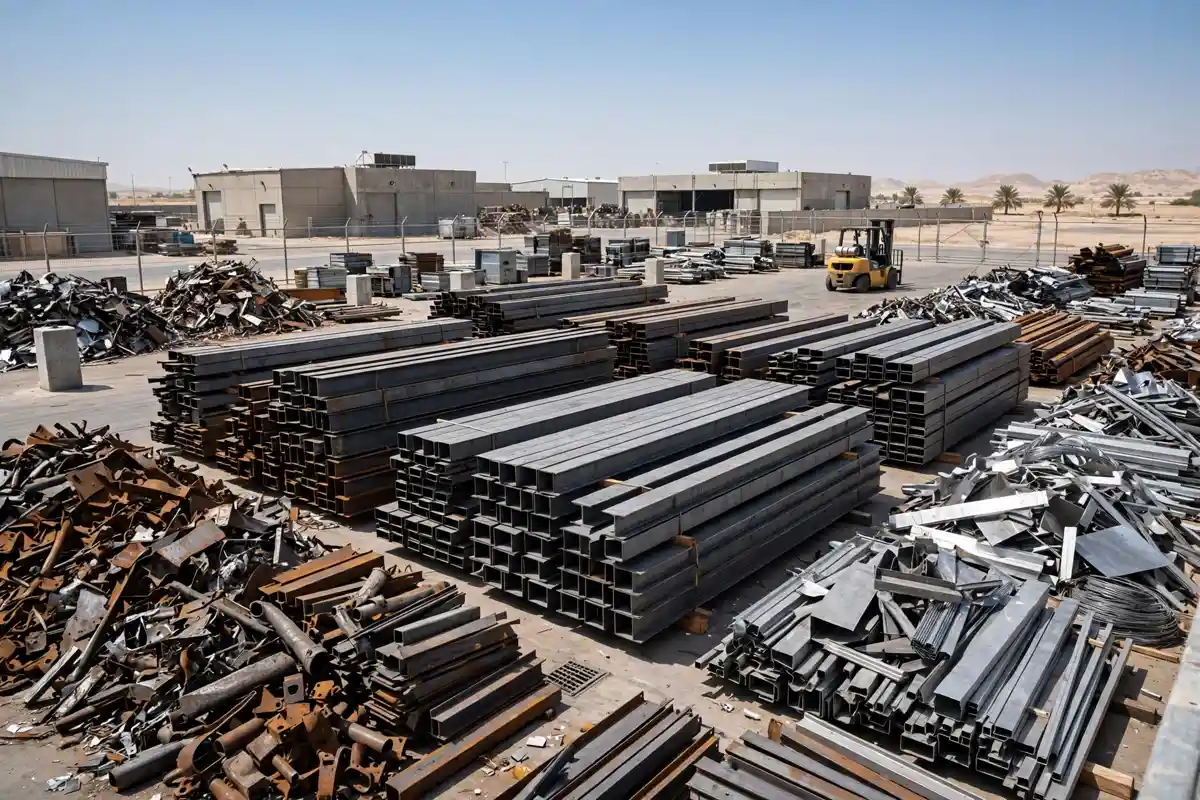
Scrap iron covers a broad range of ferrous metal that is no longer needed in its current form. Common examples include structural steel beams and columns from dismantled buildings, old pipes, rebar offcuts, cast iron machinery parts, vehicle components, shelving, gates, tanks and factory equipment that has reached the end of its working life. It also includes production waste from workshops, such as punchings, turnings and cut-offs created during fabrication.
Dealers usually separate material into broad grades. Heavy, clean steel is generally more attractive than light, thin or heavily rusted material because it is easier to handle, melt and transport in bulk. Cast iron, which is more brittle and has a different composition from steel, is often sorted separately. Mixed loads that contain plastic, wood, rubber, concrete or other non-metal waste are harder to process, so sorting before collection makes a real difference to how a dealer views your material.
It also helps to distinguish iron and steel scrap from non-ferrous metals such as aluminium, copper and brass, which are traded separately and often through different buyers. If your site produces several metal types, keeping them apart from the start will save time later. Our overview of metal fabrication in the UAE gives useful background on how these materials move through local workshops.
What Affects the Value of Scrap Iron?
Many sellers ask for a single fixed price, but scrap value is not fixed. It moves with international steel and raw material markets, local demand from mills and traders, and the cost of collecting and transporting heavy material across the Emirates. When construction and manufacturing activity is strong, demand for recyclable steel tends to be stronger too. When global markets soften, offers usually soften with them.
The condition and preparation of your material matter just as much as the wider market. Clean, dense, well-sorted scrap that can be loaded quickly is worth more to a buyer than tangled, contaminated or waterlogged material that needs extra labour. Large, consistent quantities are also easier to trade than small mixed piles, because transport and handling costs can be spread over a bigger load. Distance matters as well: a yard collecting from a remote site has to factor in fuel, vehicle time and loading equipment.
For that reason, the most useful question is not simply who pays the most per unit, but who offers a fair, transparent overall deal — clear weighing, prompt collection, proper paperwork and reliable payment. Getting two or three quotes for a significant load is sensible, and comparing them on the same basis, with the same description of the material, will give you a much clearer picture than a single quick phone quote.
How Scrap Dealers in the UAE Usually Work
Most established dealers follow a similar pattern. You describe the material, its approximate quantity and its location, and share photographs if you can. The dealer may visit the site for larger loads, agree a basis for pricing, and arrange collection with suitable vehicles and lifting equipment. The load is then weighed, typically on a weighbridge or with calibrated scales, and payment is made according to the agreed terms.
Ask how weighing will be done and whether you or a representative can be present. Reputable traders are used to these questions and will explain their process. For business sellers, keep the paperwork tidy: delivery notes, weight tickets and invoices protect both sides and help with your own records, especially where the scrap comes from a project, warehouse clearance or asset disposal that needs to be documented.
Businesses that regularly generate metal waste, from maintenance contractors to workshops linked to stainless steel work in the UAE, often build an ongoing arrangement with one or two trusted dealers rather than selling load by load. A regular arrangement can mean faster collections, less material piling up on site, and a clearer routine for segregating different metals as they arise.
Preparing Scrap Iron for Collection
Good preparation improves both the price discussion and the speed of collection. Start by separating ferrous metal from non-ferrous metal and from general waste. Remove as much non-metal material as is practical and safe, drain fluids from machinery, and make sure tanks and containers are empty and safe to handle. Cutting very long or awkward pieces to manageable lengths can help with loading, but only do cutting work with the right equipment, permissions and safety controls in place.
Stack or bundle material so it can be inspected and loaded without digging through a mixed heap. Keep access clear for the collection vehicle, and tell the dealer in advance about any restrictions on site, such as working hours, gate passes, security procedures or limited space. Industrial areas and construction sites in the Emirates often have specific entry requirements, and a short conversation beforehand avoids delays on the day.
Safety deserves emphasis. Scrap yards and clearance sites involve heavy, sharp and unstable material. Use appropriate protective equipment, keep untrained staff and visitors away from loading areas, and never attempt to dismantle equipment that may contain fuel, gas, batteries or other hazards without proper assessment. If you are clearing plant as part of a wider repair or shutdown project, the approach in our guide to heavy equipment repair services in the UAE is a useful companion read.
Scrap Iron and the UAE Recycling Picture
Recycling iron and steel makes strong environmental and economic sense. Melting recycled steel uses existing material instead of relying entirely on newly produced raw inputs, and it keeps bulky waste out of landfill. In a country with continuous construction, port activity and industrial growth, a well-run scrap trade is part of how materials stay in productive use for longer.
Fabrication businesses are a major part of this picture. Workshops producing frames, supports and custom metalwork generate offcuts every week, and returning those offcuts to the recycling stream is standard good practice. If your business commissions custom work, understanding sheet metal fabrication in the UAE will help you see where scrap arises and how responsible fabricators handle it. Similarly, aluminium is kept separate from iron for good reason, as explained in our guide to aluminium in the UAE — mixing the two reduces the value of both.
Larger industrial clearances sometimes involve material moving through ports and trading companies, particularly where equipment is being replaced or a facility is being decommissioned. In those cases, coordination with logistics providers matters, and our overview of shipping agencies in the UAE explains how that side of the trade is organised.
Choosing a Dealer and Avoiding Common Mistakes
Choose a dealer who communicates clearly, explains weighing and payment, turns up when promised and operates in an organised, legitimate way. Be cautious about offers that sound unusually high compared with the rest of the market, vague weighing arrangements, or pressure to load material before terms are agreed. For valuable loads, written confirmation of the agreed basis is worthwhile even if the relationship is informal.
Common mistakes include mixing metals and waste together, leaving material to deteriorate outdoors for long periods, failing to check site access for large vehicles, and selling small amounts piecemeal when a consolidated load would be more efficient. Another frequent problem is poor internal communication: one team clears material that another team still needs, or reusable steel is scrapped before anyone checks. A quick internal sign-off before disposal avoids expensive regrets.
Finally, think about timing and housekeeping. Regular, planned disposals are almost always easier than emergency clearances under deadline pressure. Keeping a designated scrap area, separating materials as you go and reviewing accumulated stock periodically will leave you in a stronger position whenever you sell.
Handled well, scrap iron in UAE trade is straightforward: sort your material, understand what shapes its value, work with a transparent dealer and keep safety and paperwork in order. You clear space, recover value from material you no longer need, and return useful metal to an industry that depends on it every day.