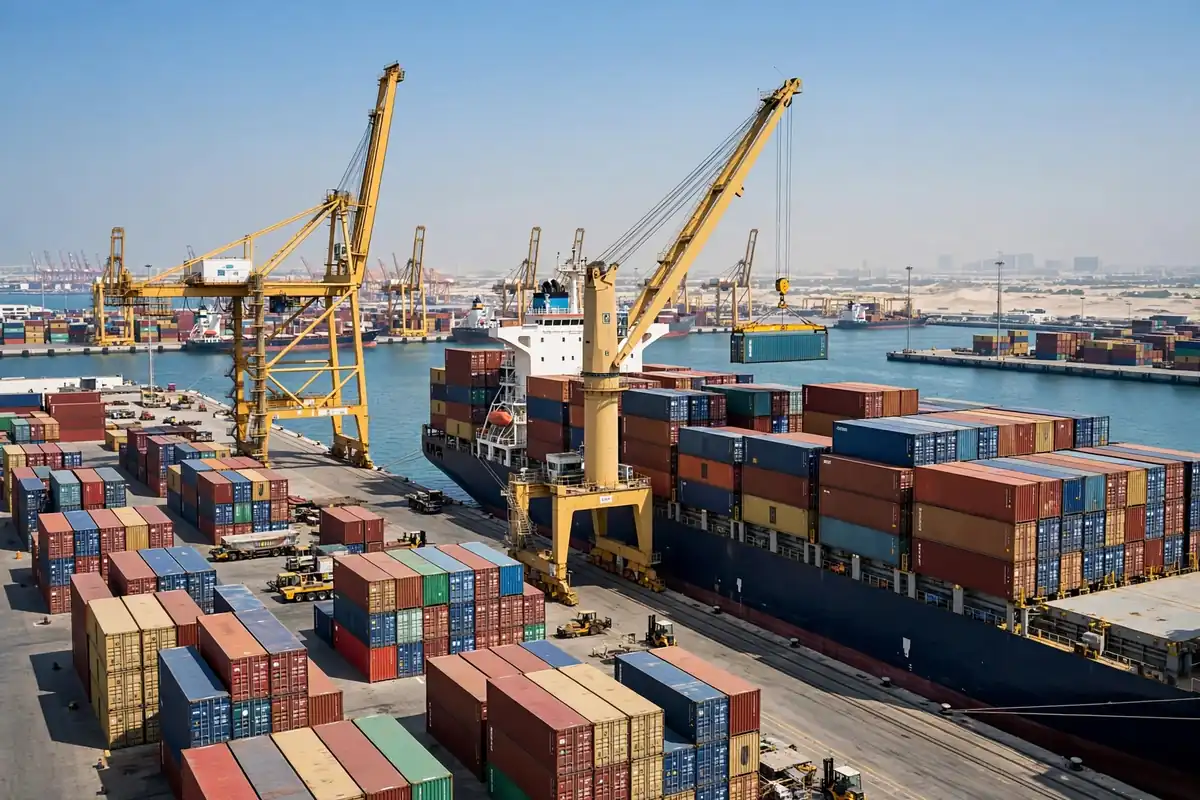
The United Arab Emirates sits at the crossroads of Asia, Europe, and Africa, and its ports handle millions of containers every year. Behind almost every vessel call, cargo movement, and customs clearance stands a shipping agency. Shipping agencies in UAE act as the local representative of shipowners, charterers, and cargo interests, making sure vessels berth on time, paperwork is filed correctly, and cargo keeps moving. Whether you import goods for a small business, manage a manufacturing supply chain, or operate a vessel calling at Jebel Ali, choosing the right agency saves time, money, and stress. This guide explains what shipping agencies do, which ports matter most, what services to expect, how costs work, and how to choose a reliable partner in the UAE.
What Do Shipping Agencies in UAE Do?
A shipping agency is a licensed company appointed to handle a vessel or cargo shipment on behalf of its principal. The agency becomes the single point of contact between the ship, the port, the authorities, and the cargo owner. Its team arranges berthing, coordinates with pilots and tug operators, files manifests and declarations, and keeps every party updated. For cargo owners, the agency is often the first call when a shipment is delayed, a document is missing, or a delivery date changes. Good agencies combine local port knowledge with global networks, so a vessel arriving from Singapore or Rotterdam is handled as smoothly as a local coastal shipment.
Core services offered by most shipping agencies in UAE include:
- Vessel chartering: arranging suitable vessels for cargo, negotiating charter terms, and managing laytime and demurrage.
- Freight forwarding: booking cargo space, consolidating shipments, and coordinating multimodal transport from port to final destination.
- Customs clearance: preparing import and export declarations, paying duties, and securing release of cargo from the port.
- Port agency: handling vessel arrival and departure formalities, crew changes, bunkering, supplies, and repairs.
- Documentation and tracking: issuing bills of lading, tracking containers, and giving clients real-time shipment updates.
Major Ports Served by Shipping Agencies in UAE
The UAE is home to some of the busiest ports in the Middle East. Jebel Ali Port in Dubai, operated by DP World, is the largest port in the region and a global transshipment hub. It connects to more than 150 ports worldwide and handles containers, bulk cargo, and vehicles. Khalifa Port in Abu Dhabi is a modern deep-water port with advanced automation and growing container capacity. It serves industrial zones and major trade routes across the Gulf. Sharjah’s ports, including Port Khalid and Khorfakkan Container Terminal, handle regional trade, containers, and bulk cargo on the east coast. Smaller ports in Ras Al Khaimah, Fujairah, and Ajman support coastal shipping, fishing, and oil-related traffic. A good agency knows the strengths, berthing windows, and documentation rules of each port, and advises clients on the fastest and most cost-effective routing.
Shipping Services: Container, Bulk and RoRo
Container shipping is the backbone of UAE trade. Agencies book container slots, arrange full container load and less than container load shipments, and manage transshipment through Jebel Ali and Khalifa Port. For businesses moving machinery, raw materials, or project cargo, bulk shipping offers flexible vessel options, from handy-size bulkers to heavy-lift ships. RoRo, or roll-on roll-off, services carry cars, trucks, and wheeled equipment that drive on and off the vessel under their own power. Many agencies also coordinate warehousing, distribution, and last-mile delivery after cargo lands. If your supply chain combines sea freight with global transport and road delivery, look for an agency that works closely with transport companies in UAE so containers move smoothly from port to warehouse.
How Much Do Shipping Agencies in UAE Charge?
Costs depend on the service, cargo type, route, and urgency. Port agency fees for a vessel call typically include attendance, documentation, and coordination charges, plus third-party costs such as pilotage, towage, berthing, and port dues passed through at cost. Freight rates vary with container size, weight, route, and season, while customs clearance fees depend on shipment value and complexity. Ask for a written quotation that separates agency fees from port and government charges, so you can compare offers fairly. Be cautious of quotes that look far below the market, since hidden charges often appear later. A transparent agency explains each line item, confirms who pays demurrage and detention if cargo is delayed, and gives realistic delivery timelines.
UAE Maritime Rules and Compliance
The UAE maritime sector is regulated by federal and local authorities, including port authorities in each emirate and the Ministry of Energy and Infrastructure. Vessels must comply with international conventions on safety, pollution prevention, and crew welfare, alongside UAE port regulations. Importers need correct commercial invoices, packing lists, certificates of origin, and, for restricted goods, approvals from the relevant authority. Food shipments, for example, must meet municipality and food safety requirements before release. A licensed agency keeps up with rule changes, files documents through port community systems, and helps clients avoid fines and delays. Always confirm that your agency holds the licences required for the services it offers and that it follows UAE customs and port procedures.
How to Choose a Shipping Agency in UAE
Start by checking licences, experience, and reputation. Look for an agency with a track record at the ports you use, references from similar clients, and clear communication in English and Arabic where needed. Ask about tracking tools, response times, and who your single point of contact will be. Compare at least two or three quotations, and check what is included in each price. For ongoing shipments, a freight forwarding partner with strong carrier relationships can secure better rates and space during peak seasons. If you also move goods by road or courier, choosing an agency connected to wider logistics networks in UAE makes coordination easier. Finally, confirm insurance options, claims handling, and the agency’s plan for delays, so you are covered when plans change.
Final Thoughts
Shipping agencies in UAE keep the country’s trade moving, from container vessels at Jebel Ali to bulk carriers at Khalifa Port. The right partner handles chartering, forwarding, customs clearance, and port agency work with clarity and care. Use this guide to compare agencies, ask the right questions, and choose a team that fits your cargo, routes, and budget.