The UAE sits at the crossroads of Gulf shipping lanes, and its yards have grown from traditional dhow building into modern steel and aluminium construction. Whether you need a workboat for offshore support, a patrol vessel, a barge or a custom leisure craft, ship builders in UAE ports can design, build and launch it locally. This guide explains where the main yards are, what they build, what drives the cost of a new vessel, and how to choose a builder with confidence.
The UAE Shipbuilding Industry at a Glance
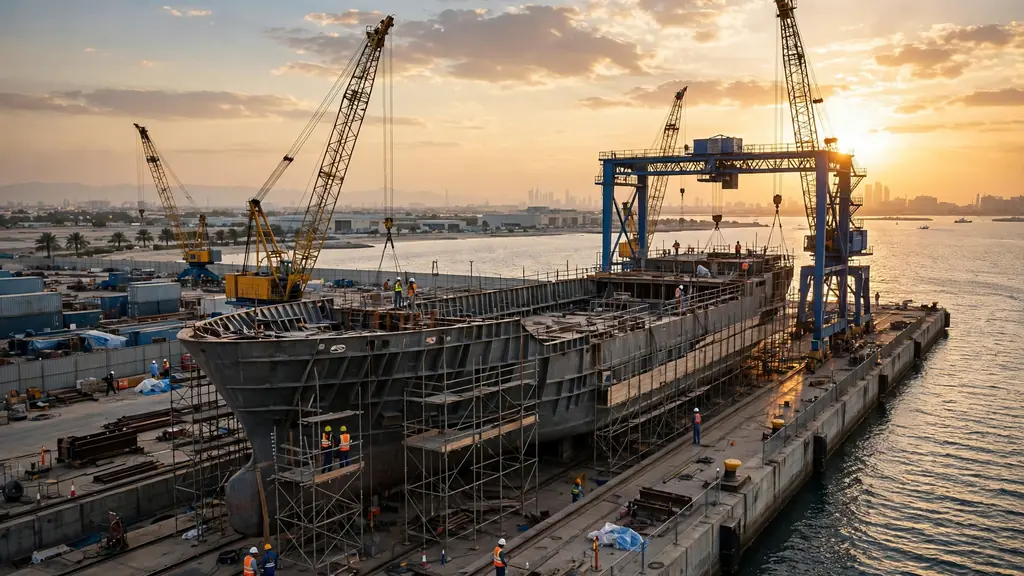
Shipbuilding in the Emirates combines heavy industry with a long maritime tradition. The country hosts some of the largest dry docks in the region, a growing naval construction programme, and dozens of smaller yards building workboats, fishing vessels and leisure craft. Demand comes from the offshore oil and gas sector, port operators, coast guards and navies across the Gulf, ferry and tourism operators, and private buyers who want a yacht or dhow built to order.
Most large yards also offer repair and conversion work, so an owner can keep build, maintenance and refit with the same team. The wider supply chain matters too: engines, navigation systems and interiors are usually imported, while steelwork, outfitting and launching happen in the UAE. Buyers comparing yards should also look at the local marine engineering services in the UAE, because design and engineering support often decides how smoothly a build runs.
Main Shipbuilding Hubs and Yards
Dubai is the best-known hub. Drydocks World operates one of the largest ship repair and conversion facilities in the region and also handles new-build projects, while a cluster of smaller yards around Al Jaddaf and Dubai Maritime City builds dhows, workboats and leisure craft. Dubai is a practical choice if your project also needs ongoing repair support after launch.
Abu Dhabi leads in naval and commercial construction. Abu Dhabi Ship Building (ADSB) builds patrol vessels, corvettes and support ships for military and government clients, and the emirate’s ports host yards serving the offshore energy sector. If your vessel needs classification, trials and delivery in the western Gulf, Abu Dhabi yards are well placed.
Sharjah is home to Albwardy Damen, a joint venture building workboats, dredgers, patrol craft and offshore support vessels, plus a busy repair yard in the Sharjah Hamriyah zone. Smaller yards in Ajman, Fujairah and Ras Al Khaimah focus on fishing boats, barges, landing craft and traditional wooden dhows, often at lower overheads than the big-name facilities.
What UAE Ship Builders Build
The range is wide. Naval and government buyers commission patrol boats, landing craft and offshore patrol vessels. Commercial operators order crew boats, tugboats, pilot boats, dredgers, split barges and pontoon systems for port and coastal work. The energy sector needs platform supply vessels and anchor-handling tugs, built to operate around rigs in Gulf conditions.
Leisure construction is a growth area: aluminium and fibreglass motor yachts, sailing catamarans for charter fleets, and dinner-cruise dhows built in the traditional style but with modern systems. Many yards will also build one-off custom designs, working from a naval architect’s drawings or developing the design in-house. Materials vary by yard: steel for heavy workboats, aluminium where speed and weight matter, and GRP for series-built leisure craft — our guide to fiberglass products and uses in the UAE explains where composites make sense.
Services Beyond New Builds
Most established builders earn much of their income after the launch. Typical services include dry-docking and hull repairs, engine overhauls, lengthening and conversion of existing vessels, and retrofitting for new regulations such as ballast-water treatment. Owners planning a conversion should compare yards on dock availability first, because slots at the biggest facilities book out months ahead.
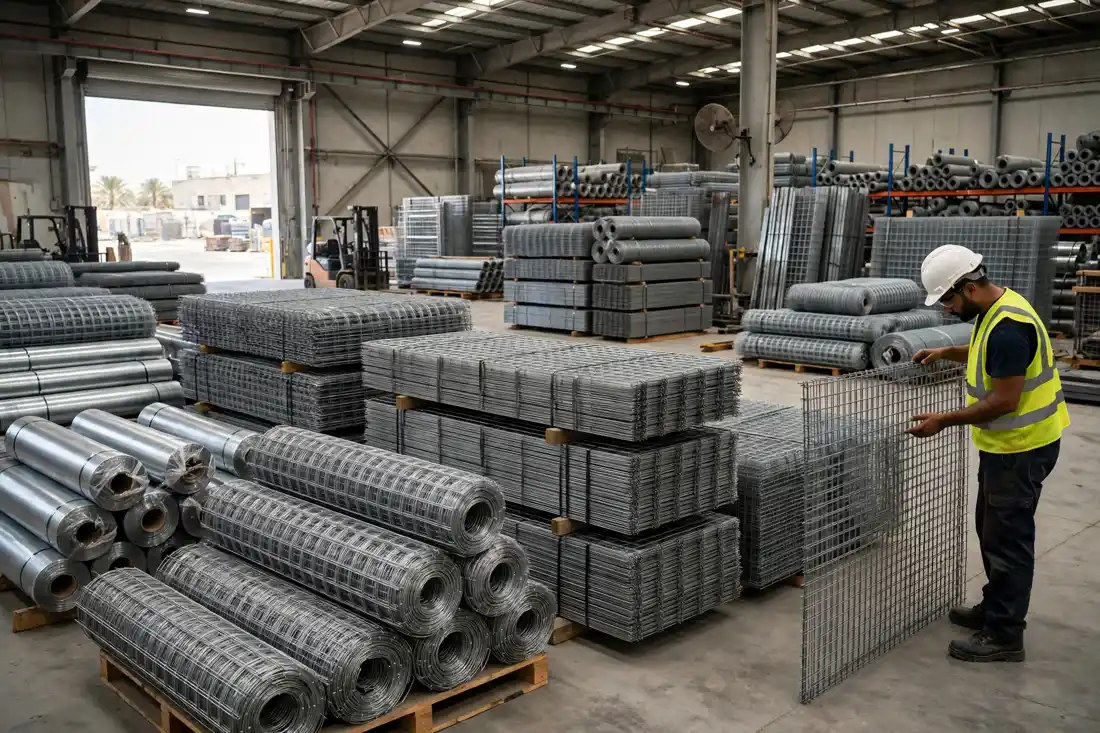
Heavy fabrication support sits behind every build. Plate cutting, pipework and structural steel usually come from the yard’s own shops or local partners specialising in metal fabrication in the UAE, and certified welding services are essential for class-approved hull work. Ask any builder how much fabrication is done in-house; it affects both quality control and the build schedule.
What Drives the Cost of Building a Vessel in the UAE?
There is no standard price list for shipbuilding, because almost every vessel is a one-off. The main cost drivers are the hull material and size, the propulsion package (engines are usually the single most expensive bought-in item), the level of outfitting and electronics, and the classification and flag requirements the vessel must meet. Naval and offshore vessels cost more per metre than simple barges or fishing boats because of their systems, redundancy and documentation requirements.
Labour rates in the UAE are competitive by regional standards, but imported equipment priced in dollars or euros can move the final figure. A realistic budget also includes design fees, classification society surveys, launch and sea trials, delivery, and a contingency for changes during construction. Fixed-price contracts are common for standard designs; custom builds often use milestone payments tied to keel laying, launching and delivery.
How to Choose a Ship Builder in the UAE
Start with track record: ask for a list of delivered vessels similar to yours and, if possible, speak to a previous owner. Check that the yard works with a recognised classification society and can manage flag-state approval with the UAE maritime authorities. Visit the yard in person — the state of the slipways, workshops and safety culture tells you more than a brochure.
Then compare the practical details. Does the yard have the crane capacity and dock size for your vessel? Heavy lifts during construction and launch often rely on the same pool of crane rental services in the UAE, so confirm the equipment plan early. Review the payment schedule, warranty terms and what the warranty actually covers after delivery. Finally, agree how changes are priced before signing, because mid-build changes are the most common cause of disputes and delays.
Rules, Classification and Delivery
Commercial vessels built in the UAE are normally constructed under the survey of a classification society such as Bureau Veritas, Lloyd’s Register, DNV or ABS, and must meet UAE maritime administration requirements for registration and safety equipment. Government and naval builds follow the contracting navy’s own standards. Sea trials, inclining tests and documentation handover complete the process before the vessel is delivered and registered.
After delivery, most owners keep the relationship with the building yard for warranty work and the first dry-docking. If you are comparing operators as well as builders, our guide to shipping agencies in the UAE covers the agents who handle port calls, crew changes and documentation for vessels working in Emirates ports.
FAQs
How long does it take to build a vessel in the UAE?
A simple steel workboat or barge can be completed in several months, while complex naval, offshore or custom yacht projects commonly take one to three years from contract to delivery, depending on design work and equipment lead times.
Can UAE yards build to a foreign buyer’s flag and class?
Yes. The larger yards regularly build for export and work with international classification societies, so a vessel can be classed and flagged for its home country while being built and trialled in the UAE.
Do UAE ship builders also repair and refit vessels?
Most do. Repair, conversion and refit work is a core part of the industry, and the biggest facilities in Dubai and Sharjah are known internationally for dry-docking and conversion projects.