Finding reliable chemical distributors in UAE can make or break operations for factories, cleaning companies, construction firms, and food producers. The right supplier delivers the correct grade on time, with proper paperwork, safe packaging, and storage advice. The wrong one causes delays, rejected batches, and compliance headaches. This guide explains what chemical distributors in UAE actually do, which chemical types they supply, the rules that govern handling and storage, where the main hubs are, what prices and minimum orders look like, and how to choose a supplier you can trust.
What Chemical Distributors in UAE Do
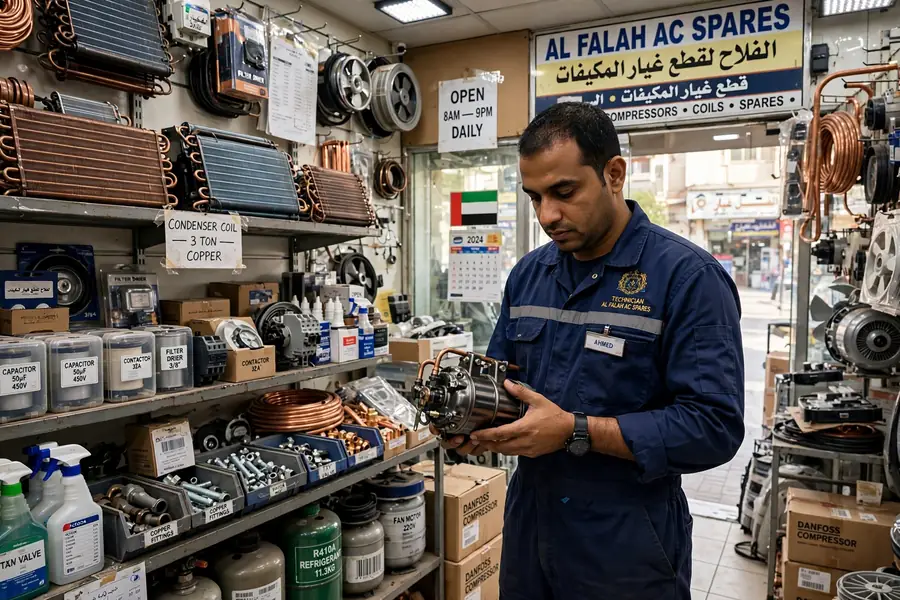
A chemical distributor sits between manufacturers and end users. Producers often sell in bulk or through regional agents, while buyers need smaller, regular deliveries in the right grade and packaging. Distributors bridge that gap. They source from local and international manufacturers, hold stock in approved warehouses, repackage or blend where allowed, arrange transport, and supply documentation such as certificates of analysis and safety data sheets. Many also help buyers plan stock levels, so a factory never runs out of a critical raw material mid-production.
Good distributors do more than move drums. They advise on shelf life, storage temperature, segregation of incompatible products, and safe handling. They track batch numbers for traceability, manage returns of off-spec material, and keep customers informed when regulations or supply conditions change.
Types of Chemicals Supplied in the UAE
Most UAE distributors cover several product families. A single supplier may serve a cleaning company, a construction contractor, and a food plant from the same warehouse, because the storage and handling skills overlap. The main categories are:
- Industrial chemicals: solvents, acids, alkalis, resins, and process chemicals used in manufacturing, metal treatment, and surface finishing. Electroplating workshops, for example, depend on steady supplies of electroplating chemicals for coating work.
- Cleaning and hygiene chemicals: detergents, disinfectants, degreasers, and sanitisers for facilities, hospitality, healthcare, and food premises. Bulk buying usually lowers the unit price.
- Water treatment chemicals: coagulants, biocides, scale inhibitors, and pH adjusters for cooling towers, boilers, and industrial water treatment plants. These products must match the treatment system and the local water quality.
- Food-grade chemicals: food-safe acids, preservatives, cleaning agents, and processing aids that meet hygiene rules and carry the right certificates for use around food.
- Construction chemicals: admixtures, waterproofing compounds, sealants, adhesives, grouts, and repair mortars. They affect curing, bonding, and durability, including on epoxy flooring systems.
- Specialty and laboratory chemicals: reagents, solvents, and small-pack chemicals for testing labs, universities, and quality-control departments. Traceability and certificates matter most here.
UAE Rules and Regulations
Chemical supply in the UAE is tightly controlled, and reputable distributors treat compliance as part of the service. Every hazardous product should come with a current Material Safety Data Sheet, in English and, where required, Arabic, plus clear labelling with hazard warnings, handling instructions, and emergency contacts. Buyers should keep these sheets on file and make sure warehouse and site staff can find them quickly.
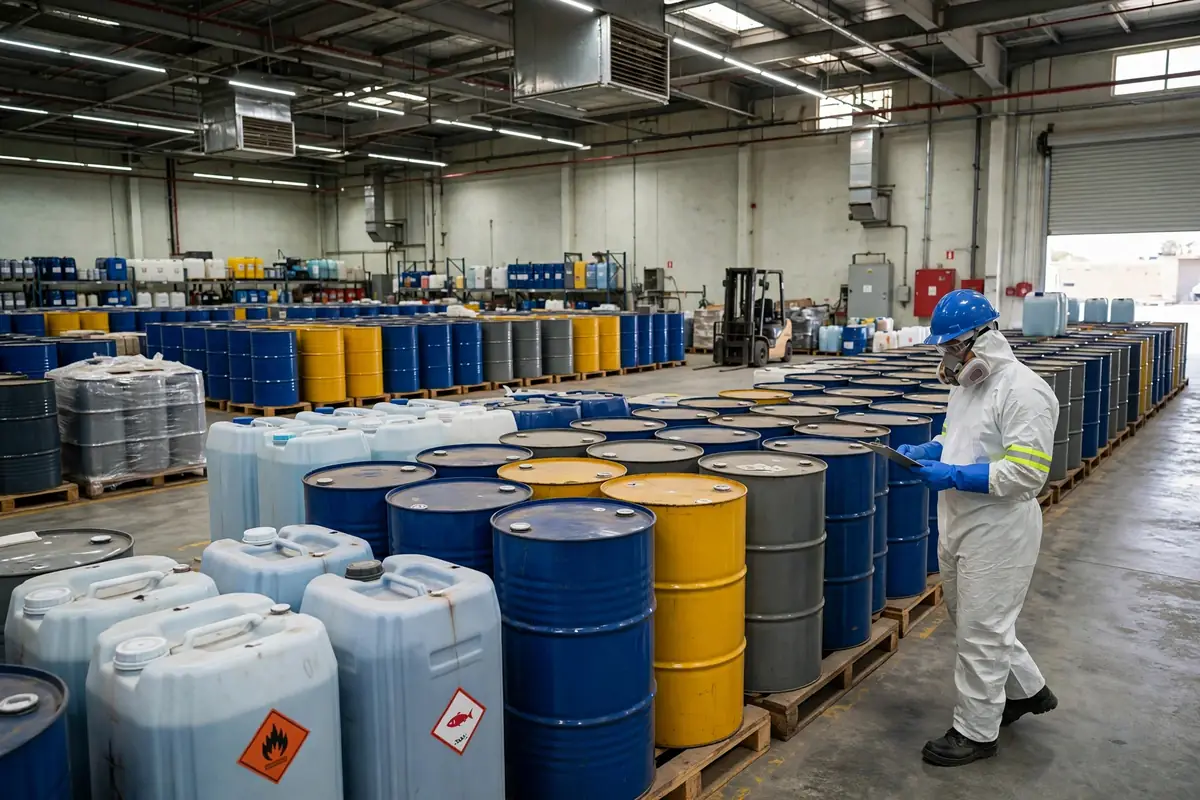
Municipality approvals and civil defence requirements govern storage, transport, and handling of hazardous chemicals. Warehouses must meet fire-safety rules, segregate incompatible materials, and hold the correct licences for the products they store. Transport of dangerous goods needs trained drivers, approved vehicles, and correct placarding. In oil, gas, and industrial zones, additional client or operator rules may apply, and major buyers such as ADNOC-linked facilities often require approved vendor registration, strict safety records, and audited handling procedures.
Ask a distributor for its trade licence, municipality approvals, and MSDS set before placing a first order. If a supplier cannot produce them, treat that as a warning sign and look elsewhere.
Main Distribution Hubs in the UAE
Most distribution stock sits in a few well-connected zones. Jebel Ali in Dubai is the largest hub, with port access, large warehouses, and easy links to Abu Dhabi and the Northern Emirates. Sharjah’s industrial areas, including Al Sajaa and Hamriyah, host many mid-sized distributors serving factories and workshops. Abu Dhabi has industrial zones at Mussafah and ICAD, plus Khalifa Port, which suit heavy industry and oil-and-gas supply. Ras Al Khaimah and Fujairah also serve regional demand. When choosing a supplier, check where stock is held, because a nearby warehouse usually means faster delivery and lower transport cost.
Prices, Minimum Orders, and Delivery
Prices depend on grade, pack size, volume, and origin. Technical-grade bulk chemicals cost far less per litre than high-purity or food-grade equivalents. Buying in drums or IBCs usually beats buying in small cans, but only if you can store the stock safely and use it before expiry. Ask for a written quote that shows the grade, concentration, pack size, country of origin, delivery charge, and validity period, so you can compare offers fairly.
Minimum order quantities vary. Local distributors often accept small first orders, while imported or specialty lines may need a full drum or pallet. Delivery within Dubai and Sharjah is commonly same-day or next-day for stock items; Abu Dhabi and the Northern Emirates may take a day longer. For hazardous goods, allow extra time for compliant transport, and confirm who handles unloading and storage at your site. For large or imported consignments, check whether the supplier also arranges freight forwarding.
How to Choose a Chemical Distributor
Use this checklist before committing to a supplier:
- Licences and paperwork: valid trade licence, municipality approvals, and complete MSDS and certificate sets.
- Safety record: trained staff, compliant warehouse, segregated storage, and a clear incident and spill procedure.
- Stock and reliability: stock held locally, honest lead times, and a track record with businesses like yours.
- Product range and technical support: the grades you need, plus advice on storage, dosing, and safe use.
- Service and pricing: clear written quotes, fair minimum orders, and dependable delivery across the Emirates.
Wastewater, Equipment, and Support
Many buyers pair chemical supply with related services. Plants that treat effluent need wastewater treatment chemicals and a supplier who understands discharge limits. Factories also need compatible hardware, from industrial valves to seals and fittings, because a leaking valve can waste chemicals and create a safety risk.
Final Thoughts
Chemical distributors in UAE do far more than deliver drums. The best suppliers combine compliant storage, honest advice, and dependable delivery, so your team can focus on production instead of chasing stock. Compare licences, paperwork, stock, and service — not price alone — and build a relationship with a distributor that can grow with your business.