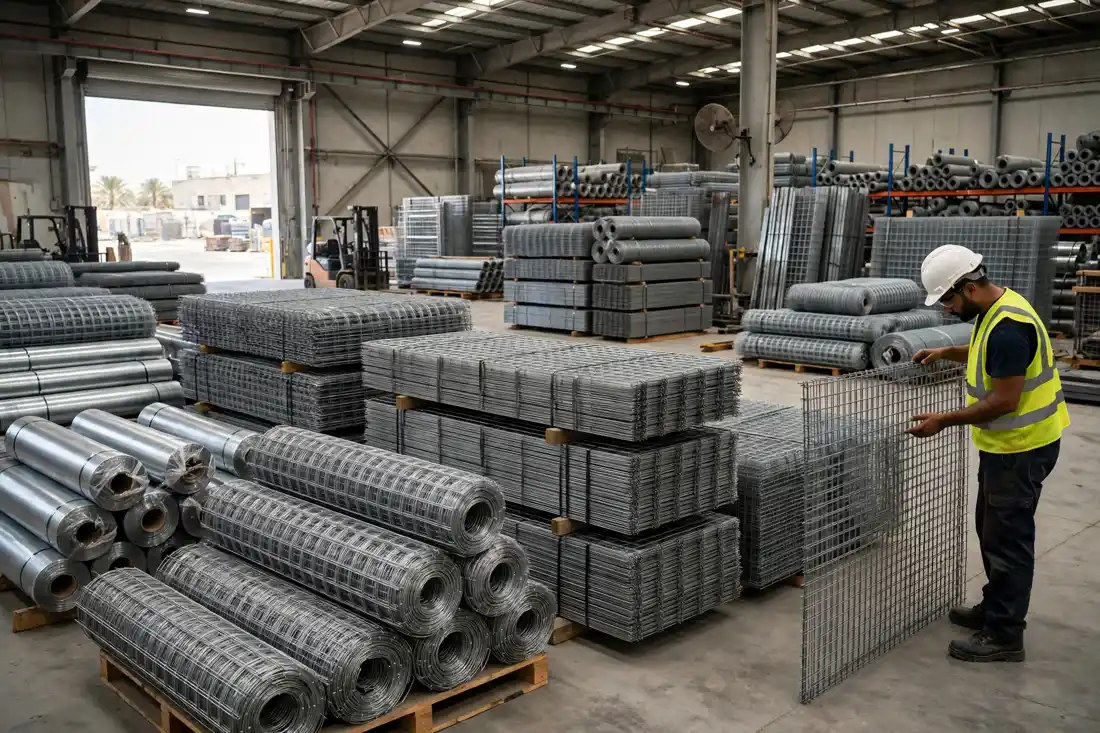
Behind every tower, mall, school and warehouse that runs smoothly sits a team most occupants never notice — which is precisely the job of facility management in UAE. FM companies keep buildings safe, comfortable, compliant and efficient: air conditioning serviced, lifts inspected, corridors cleaned, security staffed and breakdowns answered before tenants complain. This guide explains what facility management covers, the difference between hard and soft services, contract models, costs and how to choose a provider.
Hard Services and Soft Services
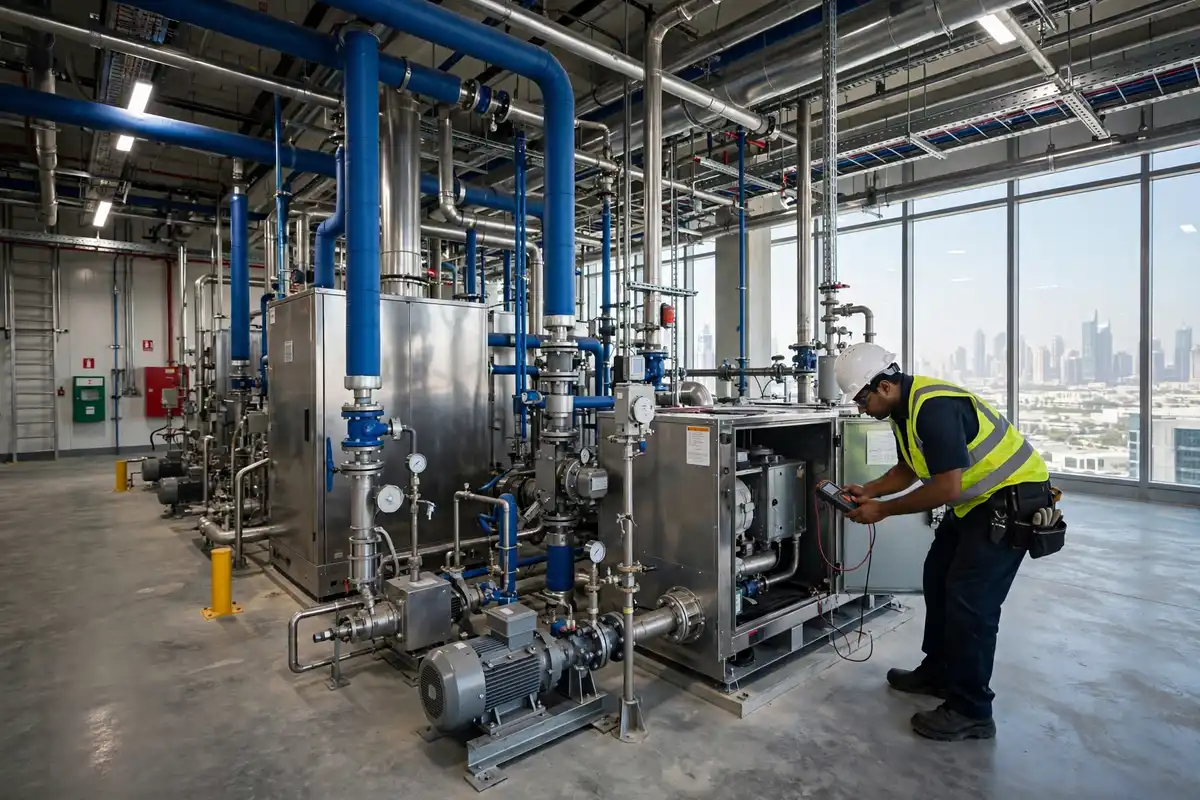
The industry divides its work in two. Hard services are the technical systems: HVAC plant and air conditioning in UAE buildings (the single biggest FM workload in this climate), electrical and plumbing services in UAE properties depend on daily, lifts, fire alarms and firefighting systems, generators and building management systems. These are compliance-heavy — Civil Defence inspections and authority approvals ride on their maintenance records.
Soft services are the people-facing ones: cleaning, waste management, pest control, landscaping, concierge and security services in UAE. Regular duct cleaning in UAE and window cleaning in UAE contracts typically sit inside the soft-services schedule too. Tenants judge a building by the soft services; owners’ associations judge the FM company by the hard services’ paperwork. A competent provider delivers both.
Who Uses Facility Management in UAE?
Residential communities and owners’ associations are the largest buyers: towers and villa communities need 24/7 coverage for plant rooms, pools, gyms and common areas. Commercial landlords use FM to protect asset value and keep Grade-A tenants renewing. Retail, hospitality, schools, hospitals and logistics facilities all buy FM, with sector-specific layers — hygiene audits in food retail, clinical standards in healthcare, examination-period silence in schools.
Smaller buildings buy differently: a single office or a small warehouse may contract one multi-skilled technician plus scheduled specialist visits rather than a full on-site team. Facility management in UAE scales from that single-technician model to integrated teams of hundreds on master communities, and the contract should match the building, not the provider’s preference.
In-House, Outsourced and Integrated Models
An in-house model means the owner employs technicians directly — maximum control, but recruitment, training, tools, spare parts and cover for leave all land on the owner. Outsourced FM hands a defined scope to a specialist company for a fixed fee, transferring staffing risk and buying access to a wider bench of trades. Integrated FM goes further: one provider runs everything, including subcontractors, helpdesk and reporting, under a single performance framework.
Modern buildings add a technology layer to whichever model is chosen: smart sensors, energy dashboards and systems from the world of home automation in UAE now appear in commercial plant too, feeding the data that lets FM teams fix faults before tenants feel them. Ask any provider how their helpdesk works — a logged ticket system with response-time reporting is the minimum credible answer.
Energy is the second front where FM earns its fee. Air conditioning dominates a UAE building’s electricity bill, so disciplined chiller maintenance, correct set-points, filter regimes and insulation checks translate directly into money. Many contracts now include energy reporting against the building’s own history, flagging the month a pump or cooling tower starts wasting power long before the bill exposes it. Sustainability requirements are also tightening across the Emirates, with green-building rules in several emirates expecting documented maintenance and efficiency practices — records a structured FM provider keeps as a matter of routine, and an informal arrangement almost never can.
Coverage hours shape daily life in the building more than any other line in the contract. A residential tower genuinely needs round-the-clock response for leaks, lift entrapments and power failures, while an office building may only need a daytime team with an on-call arrangement overnight. Matching coverage to real risk — rather than buying the largest package on offer — is where honest FM advice saves owners money without weakening the service.
Contracts, SLAs and How Performance Is Measured
A proper FM contract defines the asset register (every pump, chiller and panel covered), the planned preventive maintenance calendar for each asset, response times by priority — a burst pipe is not a light bulb — and key performance indicators with review meetings. Service-level agreements typically set emergency response in hours and routine completion in days, with remedies when targets are missed.
Reporting is where good and bad providers separate. Monthly reports should show completed PPM tasks, open and closed reactive tickets, energy consumption trends and recommendations. If a provider’s reporting is a single invoice and silence, you are buying labour, not management — and the building’s condition will drift accordingly.
What Facility Management Costs
FM is usually priced per square foot per year for the covered areas, or as a monthly fee for a defined team and scope. Cost drivers are the building’s age and plant complexity, coverage hours (a 24/7 site costs more than office-hours), whether consumables and spare parts are included or billed separately, and how much specialist work — lifts, fire systems — is subcontracted through the FM fee.
Compare quotes on scope before price: one bid may include chiller chemicals, generator fuel testing and façade access while another excludes all three. The cheapest facility management in UAE contracts reliably become the most expensive when deferred maintenance turns into capital replacement — chillers and lifts fail early when servicing is skipped, and no saving on the FM line survives a premature chiller replacement.
Choosing an FM Company
Check the trade licence and relevant authority approvals, then ask for references from buildings similar to yours — and actually call them. Visit a site the company manages and look at the plant room: labelled assets, current log sheets and a clean, organised workshop tell you more than any brochure. Confirm how technicians are supervised, how spares are sourced, and what happens at contract exit, when records and asset data must hand over cleanly. The right facility management in UAE partner treats your building like a long-term asset — because for them, it is one. That partnership mindset, visible in every report and response, is what separates management from mere manpower.