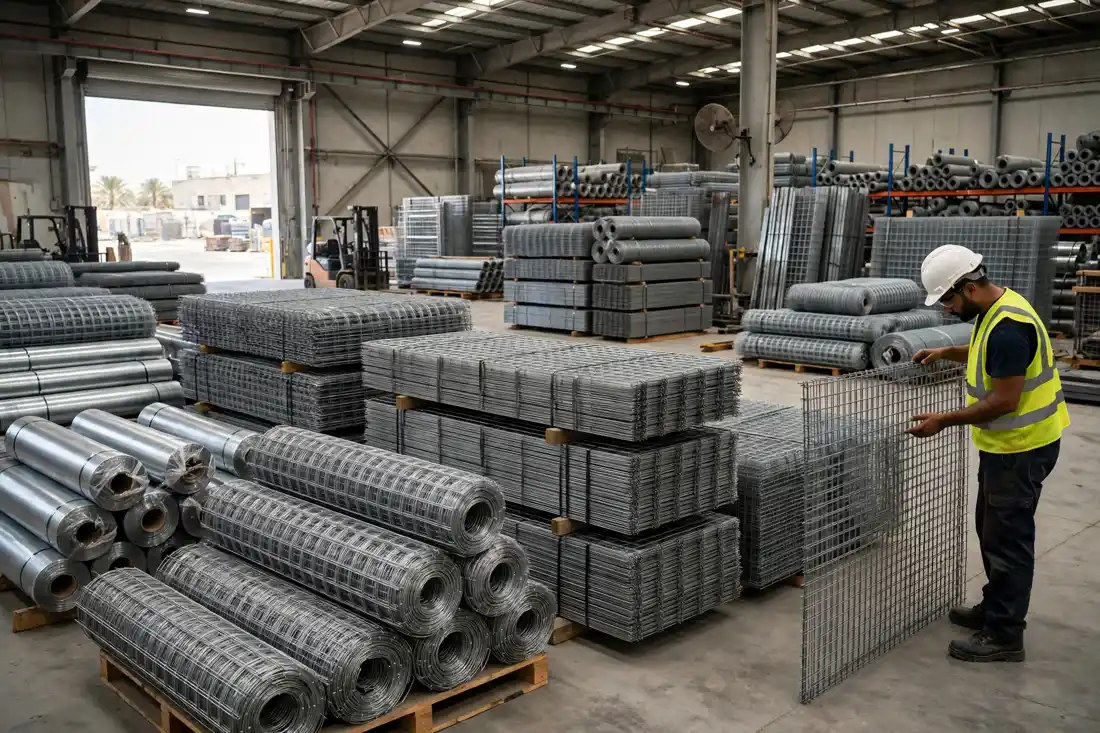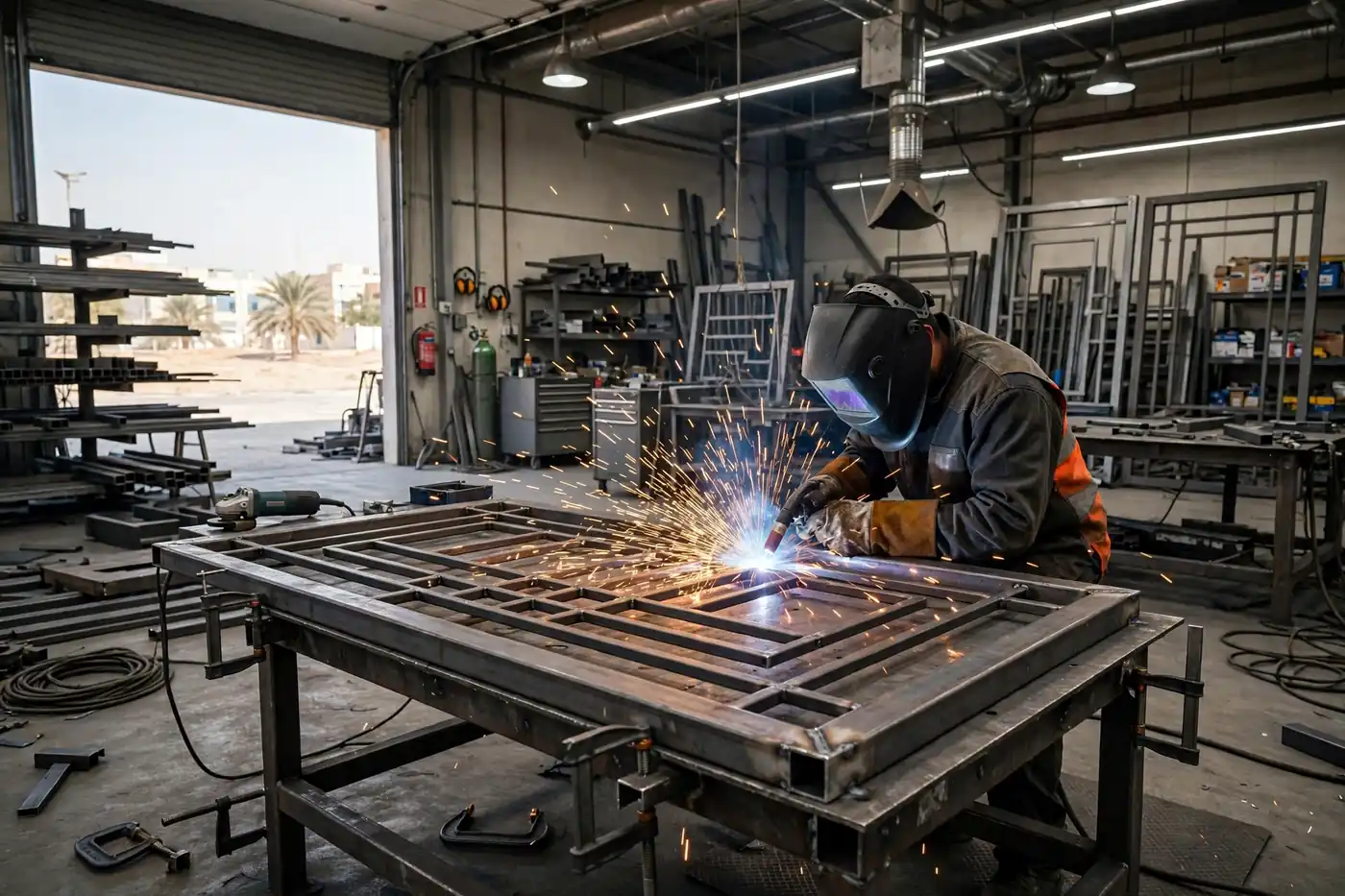
Behind every villa gate, warehouse rack and rooftop water tank in the Emirates stands welding work — and sooner or later most property owners and businesses need a welder they can call. Welding services in UAE cover everything from fabricating a new garden gate to structural steel for warehouses and emergency repairs on plant and machinery. This guide explains the main welding processes, the jobs companies handle, how workshop and on-site pricing works, the safety and material issues that Gulf conditions create, and how to choose a welding company that does work which lasts.
Welding Processes Explained
Arc or stick welding is the workhorse: robust, tolerant of outdoor conditions, and used for structural steel, gates and heavy repairs. MIG welding feeds wire continuously and works faster on thinner material, which makes it common for fabrication and production work. TIG welding is the precision process — slower and more skilled, used where appearance and accuracy matter, above all on stainless steel and aluminium.
The processes sit inside the wider trade described in our guide to metal fabrication in UAE, and the choice between them is practical, not tribal: thickness, material, finish and location decide. A good welder explains which process a job needs and why. For thin sheet and ductwork, the specialists in our guide to sheet metal fabrication in UAE apply the same processes with dedicated equipment.
Common Welding Jobs
Residential work centres on gates, window grilles, railings, staircases, car shades and pergola frames — much of it made to measure because villa openings are rarely standard. The gate side of this market connects closely with our guide to automatic gates in UAE, since the same companies often fabricate the gate and fit its motor. Repairs to broken hinges, sagging frames and corroded sections make up a steady share of call-outs.
Commercial and industrial work runs larger: mezzanines and platforms, warehouse racking, tanks and pipework, machinery repairs, and trailer and skip fabrication. Construction sites use welders for embeds, connections and fixing works alongside the access equipment in our guide to scaffolding accessories in UAE. Whatever the scale, the pattern is the same — measure, fabricate, finish, install.
Workshop vs On-Site Welding
Workshop welding suits anything that can be measured, built under cover and delivered finished: gates, railings, frames and furniture. Conditions are controlled, welds are cleaner, and powder coating or painting is done properly before installation. On-site welding handles what cannot move — structural connections, repairs to installed steel, and modifications during construction or renovation.
Mobile welders bring generator-powered equipment to villas, farms and sites across the emirates. On-site work needs more planning: power supply, safe working space, fire precautions and protection for surrounding finishes. Agree in advance which parts happen where. A common pattern is workshop fabrication with on-site fitting, which combines clean welds with exact installation — the same workshops rely on the equipment covered in our guide to machine tools in UAE for cutting and drilling before welding begins.
Drawings and approvals sit behind larger jobs. Structural steel for extensions, mezzanines and warehouses usually works from engineer’s drawings, and developers may require material certificates and inspection of critical welds. A professional fabricator is comfortable in that world — supplying documents, test records and as-built details — while a casual operator is not. If your project has a consultant or a fit-out contractor managing it, bring the welder into that chain early rather than handing over finished drawings at the last minute.
How Welding Pricing Works
Fabrication is usually quoted as a complete job — materials, labour, finishing and installation — from drawings or a site measurement. Rates per kilogram of steel exist in the trade for structural work, while small jobs and repairs are priced per task or per hour with a minimum call-out. Stainless steel and aluminium cost more than mild steel in both material and labour, and TIG finishing adds time that shows in the quote.
Finishing is where quotes diverge honestly or otherwise: galvanising, powder coating and quality paint systems cost more than a coat of basic enamel but decide how long work survives near the coast — the options are detailed in our guide to painting of metals in UAE. Get the specification in writing: steel thickness, finish system and installation included or not. The cheapest quote often wins by quietly thinning all three.
Materials, Corrosion and Gulf Conditions
Heat, humidity and salt air punish metalwork. Mild steel near the coast corrodes fast without a proper coating system, which is why galvanised or well-painted finishes are standard advice for outdoor work. Stainless steel — grades explained in our guide to stainless steel in UAE — suits kitchens, pools and marine settings, but it needs correct welding and finishing to keep its resistance.
Summer heat changes site practice too: heavy welding shifts to early mornings, and stored materials and finished work need shade. For structural or load-bearing work, ask about welder certification and inspection; reputable companies document procedures for commercial clients and municipalities. Safety runs both ways — a professional crew brings screens, extinguishers and permits for hot work on occupied sites, and will refuse unsafe shortcuts rather than argue about them.
Lead times vary with the season and the workshop’s order book. Custom gates and feature staircases are measured in weeks, not days, because cutting, welding, finishing and coating happen in sequence and coating shops have their own queues. Repairs are faster — many firms keep a mobile crew for breakdown work — but even these book out during peak construction periods. Share your real deadline at the enquiry stage; good companies will tell you plainly if they cannot meet it, which is information worth more than an optimistic promise.
Choosing a Welding Company
Look at finished work, not just photographs of it. Straight lines, consistent weld beads, clean corners and tidy finishing separate fabricators from bodgers, and any established company will happily show recent installations or welcome a workshop visit. Check they carry a proper trade licence for the work, and that quotes name materials and finishes rather than a single vague figure.
Communication is the other test: measured drawings, agreed timelines, and a clear answer about who handles installation and making-good. Start with one defined job — a gate, a railing, a repair — before committing to a large package. In a market built on repeat business from facilities managers, landlords and contractors, the companies that survive are the ones whose welds, and word, hold.