
Finding the right car body parts in UAE does not have to be stressful. Whether your car has a dented door from a parking mishap in Dubai, a cracked bumper after a trip on Sheikh Zayed Road, or a broken side mirror from a tight spot in Sharjah, the same questions come up: which part do you need, where should you buy it, and how much should you pay?
This guide covers the most common parts, original versus aftermarket and used options, where to shop, typical prices in dirhams, and how to check fitment, paint and warranty before you pay.
Common Car Body Parts Drivers Replace Most Often
Body parts take the first impact in most minor accidents, so they are replaced far more often than mechanical parts. The parts below cover most everyday repairs in the UAE.
- Bumpers absorb low-speed impacts and protect the car underneath. Front and rear bumpers are among the most commonly replaced parts after parking bumps and slow traffic collisions.
- Fenders and bonnets shape the front of the car and can bend even in a small crash. A damaged fender can rub against the tyre, so it should not be left for long.
- Doors, mirrors and lights are also frequent replacements. A door may need a new shell, handle or glass channel, while a mirror often needs only the glass or the full housing. Headlights and tail lights matter for both safety and passing inspection, so a cracked lens should be fixed promptly.
Other parts include grilles, boot lids, roof panels, side skirts and mudguards. If mounting points are bent, ask a workshop to check the structure before ordering any panel.
OEM vs Aftermarket vs Used Parts: Which Should You Choose?
The biggest choice is not where you buy, but what type of part you buy. Each option has a clear trade-off between price, fit and peace of mind.
- Original Equipment Manufacturer parts are made by or for your car maker. They fit exactly, match original quality, and usually carry a warranty. They cost the most, and delivery can take longer if the part is not in stock.
- Aftermarket parts are made by independent companies to fit your model. Good brands can offer close fit and solid quality for much less than original parts. Quality varies, so check reviews and confirm clips, brackets and seals are included.
- Used parts from scrap yards can save a lot on older cars, especially for doors, bonnets and mirrors. Inspect them for rust, dents, broken mounts and faded paint. For safety parts such as lights, original or good aftermarket parts are usually safer.
If you plan to keep the car for years, original parts often make sense. If the car is older or you plan to sell soon, a quality aftermarket or clean used part can be the smarter value.
Where to Buy Car Body Parts in the UAE
You have three main options: local markets, workshops and online sellers. Many drivers use a mix, comparing a local price with an online price before they decide.
Sharjah Industrial Area is the best-known hub for car parts in the country. Rows of shops sell new and used panels, wheels, lights and mirrors for Japanese, Korean, German and American models. Prices are competitive, and you can compare several shops in one visit. Take your chassis number and a photo of the damaged part.
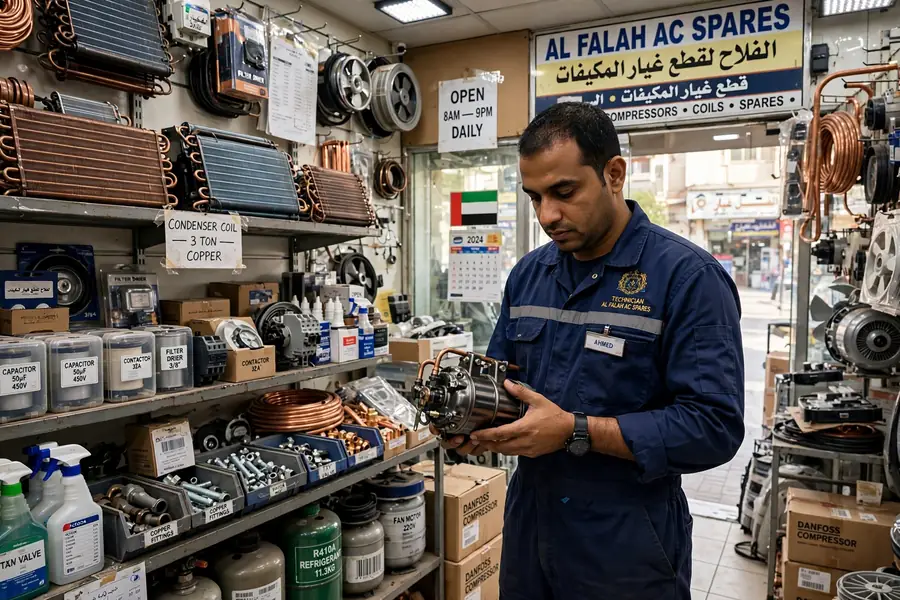
In Dubai, auto markets in Ras Al Khor and Al Quoz offer new parts, accessories and body shops in one area. Dealership parts departments stock original parts and can order rare items, while independent shops often deliver faster. A workshop that supplies and fits the part can save time.
Online stores are useful for price checks and for parts that are hard to find locally. Check delivery time, return policy and whether the price includes VAT and fitting. For large panels, delivery can be costly, so compare the total landed price, not just the part price.
Typical Prices for Car Body Parts in the UAE
Prices vary widely by model, brand and part type, so use these ranges as a guide and always get a written quote. Popular Japanese and Korean models are usually cheapest, while luxury models cost more.
- Front or rear bumper cover: AED 300 to AED 1,200 for aftermarket parts on common models, plus AED 250 to AED 600 for painting and fitting. Original bumpers can cost two to three times more.
- Fender or bonnet: AED 400 to AED 1,500 for aftermarket panels, depending on size and model. Used panels in good condition often cost less, but check for rust and straight mounting points.
- Side mirror assembly: AED 150 to AED 800 for aftermarket units. Mirrors with cameras, blind-spot indicators or power folding cost more and may need coding after fitting.
- Headlight or tail light: AED 250 to AED 1,500 for aftermarket lights on common models. Original LED and matrix lights for premium cars can cost several thousand dirhams.
- Door shell: AED 600 to AED 2,000 for aftermarket or clean used doors, plus painting and fitting. Always confirm whether handles, locks and wiring are included.
Painting, labour and VAT can add a large share to the bill, so ask for a total price that covers the part, paint, fitting and any clips or seals.
Fitment, Paint Matching and Warranty Checks
Before you pay, check fitment carefully. Share your chassis number, model year and trim with the seller, and confirm the part number matches your car. Ask whether the part is for the left or right side, and whether it fits your exact variant, since small differences in bumpers and lights are common across model years.
For painted parts, ask how the shop matches colour. A good body shop uses your paint code, usually on the door frame or under the bonnet, and blends the new paint into nearby panels so the repair does not stand out. Check the finish in daylight before you accept the car, and ask what the paint warranty covers.
Ask for warranty in writing for the part, paint and fitting. Keep the invoice and part number, and test lights, mirrors, locks and sensors before you leave the workshop.
Final Buying Checklist
Start with the exact part you need, compare original, aftermarket and used options, get two or three written quotes, confirm fitment and paint, and keep your warranty papers. With those steps, buying car body parts in UAE becomes a straightforward repair, not a gamble. After the repair, regular washing and careful parking help the new panels last longer.