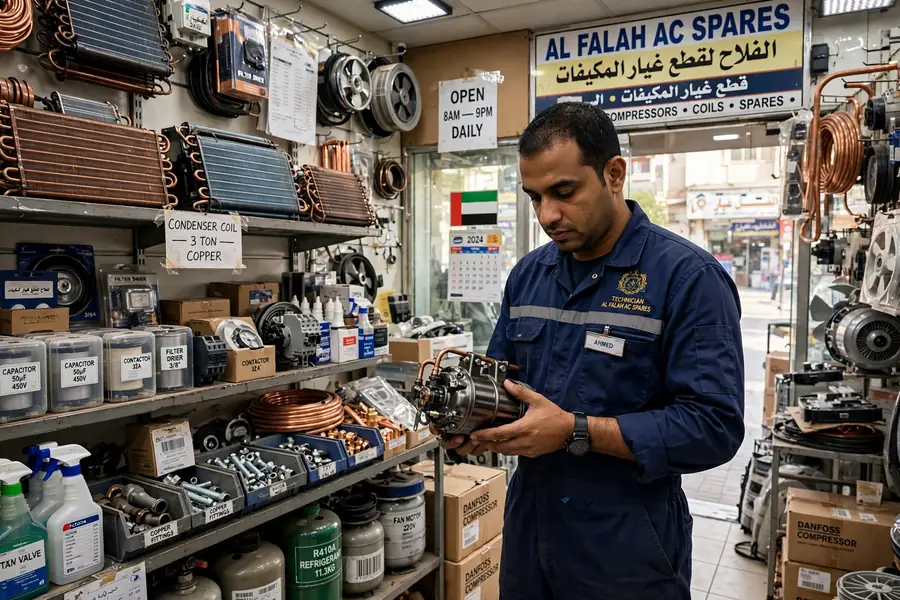

The United Arab Emirates continues to attract professionals from around the world thanks to its growing economy, international business environment, and diverse career opportunities. Whether you are planning to relocate for work or have recently received a job offer, understanding the UAE work visa process is an essential step toward legal employment.
A work visa is typically required for foreign nationals who wish to work legally in the UAE. Employers, employees, and job seekers should understand how sponsorship, work permits, and residency requirements fit into the overall immigration framework.
What Is a UAE Work Visa?
A UAE work visa is an immigration authorization that allows eligible foreign nationals to live and work in the country under the sponsorship of an approved employer or qualifying entity.
In most cases, employment authorization involves multiple stages, including work permit approvals, visa processing, residency procedures, and identity registration requirements.
The exact process may vary depending on the employment sector, employer category, and applicable regulations.
Who Needs a UAE Work Visa?
Most foreign nationals who intend to work in the UAE require an appropriate employment-based visa and work authorization.
Common categories include:
- Private sector employees
- Government employees
- Free zone employees
- Skilled professionals
- Technical specialists
- Business support personnel
Working without proper authorization can lead to immigration and employment-related consequences, making compliance essential.
How Does the UAE Work Visa Process Work?
Although specific procedures can differ depending on the employer and jurisdiction, the general process often includes:
- Receiving a job offer.
- Employer sponsorship initiation.
- Work permit approval procedures.
- Entry authorization where applicable.
- Residency processing.
- Identity registration and related formalities.
Employers typically assist employees with the required documentation and administrative procedures.
Required Documents for a UAE Work Visa
Document requirements vary based on occupation and visa category. However, applicants are often asked to provide:
- Valid passport
- Passport-sized photographs
- Educational qualifications (where applicable)
- Employment contract documentation
- Professional certifications if required
- Additional supporting documents requested by authorities
Applicants should ensure all submitted information is accurate and consistent with official records.
Can You Work on a Visit Visa in the UAE?
Many job seekers enter the UAE while exploring employment opportunities. However, a visit visa does not automatically grant the legal right to work.
Individuals searching for UAE visit visa employment opportunities should understand that legal employment generally requires the appropriate work authorization and sponsorship arrangements.
Accepting employment without proper authorization can create complications for both employers and workers.
If you are currently visiting the country while searching for work, our guide on UAE visit visa extension explains how visitors can manage their immigration status while evaluating future options.
Checking Your Employment Visa Status
Once an employment-related application has been submitted, applicants often want to monitor approval progress and verify immigration records.
Readers who need to verify application information can review our guide on check UAE visa status with passport number, which explains methods commonly used to confirm visa-related records and application updates.
Keeping track of application status can help applicants plan travel and relocation arrangements more effectively.
Freelance Visa UAE Opportunities
As remote work and independent contracting continue to grow, many professionals are interested in freelance visa UAE options. Depending on the relevant regulations and jurisdiction, freelancers may be eligible for specific visa pathways designed for self-employed professionals and independent workers.
Eligibility requirements, licensing obligations, and sponsorship structures can differ significantly from traditional employment visas.
Individuals considering freelance opportunities should carefully review the specific requirements associated with their intended activity.
Family Sponsorship After Employment
Many expatriates move to the UAE independently before later sponsoring family members. Once eligible residency requirements are met, some workers may qualify to sponsor spouses, children, or other eligible dependents.
Those interested in sponsorship options can learn more through our guide on family visa UAE.
Understanding sponsorship pathways can help families plan long-term residency arrangements more effectively.
Changing Jobs in the UAE
Career growth often leads professionals to explore new employment opportunities. In many situations, changing employers involves immigration and administrative procedures that must be completed before a new employment visa can be issued.
Employees should ensure that all previous immigration records are properly handled during the transition process.
Readers seeking information about ending an existing visa arrangement can review our article on UAE visa cancellation.
Long-Term Residency Opportunities
Employment visas are only one part of the UAE’s broader immigration ecosystem. Over time, professionals may become eligible for additional residency pathways depending on their qualifications, investments, family circumstances, or professional achievements.
As immigration reforms continue to evolve, workers should stay informed about new residency opportunities that may become available.
Understanding UAE Visa Policies
Employment visas operate within the larger framework of UAE immigration regulations. Understanding how various visa categories interact can help workers make informed decisions about their long-term plans.
For a broader overview of immigration categories, readers can explore our guide on UAE visa policy.
This can provide valuable context regarding tourism, residency, employment, and long-term immigration pathways.
Where to Find Official Employment Visa Information
Applicants should always verify employment-related requirements through official government sources before making decisions regarding relocation or employment.
The UAE Government employment and work services portal provides official information regarding work-related procedures, employment regulations, and related services.
Common Mistakes to Avoid
When pursuing a UAE work visa, applicants should avoid:
- Accepting employment without authorization
- Submitting incomplete documentation
- Ignoring visa validity dates
- Relying on unofficial immigration advice
- Failing to verify application status
- Overlooking sponsorship requirements
Careful preparation can significantly improve the overall immigration and employment experience.
Final Thoughts
A UAE work visa is the foundation of legal employment for most foreign professionals working in the country. Understanding sponsorship requirements, application procedures, and immigration responsibilities helps workers transition more smoothly into their new roles.
Whether you are exploring your first job opportunity, considering freelance work, or planning long-term residency in the UAE, staying informed about current regulations and official requirements can help you make confident and well-informed decisions.