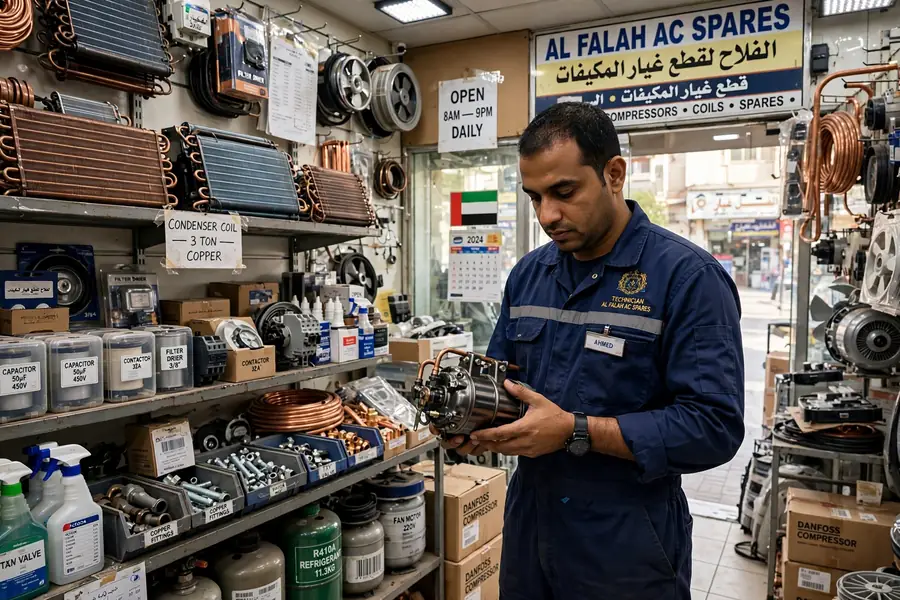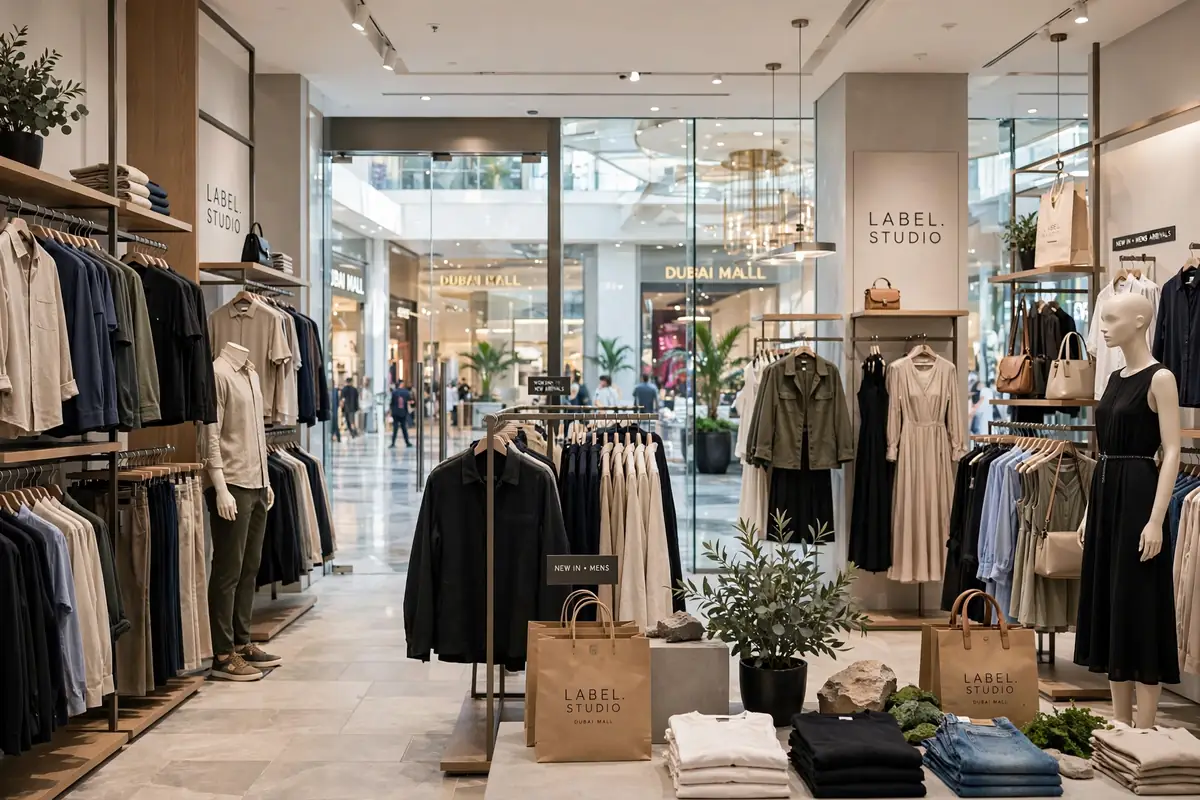
Shopping for apparel in UAE is an experience in itself. From vast air-conditioned malls to lively souks and fast-growing online stores, residents can find everyday basics, designer labels, and traditional dress. Knowing where to shop, which brands to trust, and how to dress for the climate will save you time and money.
Apparel in UAE reflects the country itself: modern, international, and deeply rooted in tradition. You can buy a tailored kandura in the morning, pick up high-street fashion at lunch, and order a new wardrobe online in the evening. This guide covers places to shop, brands, traditional clothing, climate choices, costs, and tips.
Where to Shop for Apparel in UAE
Malls. The easiest starting point for clothing shopping in Dubai is a major mall. The Dubai Mall and Mall of the Emirates offer hundreds of international and regional brands, from affordable high-street labels to luxury houses. Apparel stores in Abu Dhabi, including Yas Mall and Galleria Al Maryah Island, offer a similar mix, while Sharjah and Ajman malls suit value shopping.
Souks and markets. For fabric, tailoring, and distinctive finds, visit the UAE fashion markets. Dubai’s Textile Souk in Bur Dubai sells colourful fabrics and ready-made garments, and nearby tailors can stitch a custom outfit within days. Karama is known for budget clothing, while Global Village and seasonal night markets offer affordable fashion alongside local designers.
Online stores. Online apparel shopping keeps growing in the UAE. International platforms, regional fashion sites, and brand apps offer wide size ranges, discounts, and home delivery across the Emirates. Online is convenient for basics and repeat purchases. For items where fit matters, try in-store first, then reorder online once you know your size.
Apparel Brands in UAE
International brands. Most global high-street and premium labels have stores in the UAE. You will find Spanish, Swedish, American, British, Japanese, and Korean chains in major malls, alongside sportswear and denim specialists. International brands usually follow global sizing, but check local labels, because fits can vary by region.
Local UAE brands. Apparel brands in UAE also include home-grown labels, modest-fashion designers, and boutique studios. Local brands often understand the climate and culture better, offering breathable fabrics, modest cuts, and abaya-inspired collections. Many sell through mall pop-ups and multi-brand stores. For a broader view of daily life here, see our guide to Dubai lifestyle pros and cons.
Budget versus premium. Budget chains are best for everyday basics and children’s clothing. Mid-range brands offer better fabrics for regular wear. Premium and designer labels suit occasion wear and long-lasting pieces. Spend more on items you wear often, such as shoes and work trousers, and save on trend-led pieces.
Traditional Apparel in UAE
Traditional apparel in UAE remains part of everyday life. For men, the kandura, also called a dishdasha, is a long white robe worn with a ghutra head covering and agal cord. For women, the abaya is a flowing outer robe, often worn with a sheila headscarf. Both are designed for modesty, comfort, and the warm climate, and appear in formal, office, and social settings.
When buying traditional clothing, fabric quality matters most. Lightweight cotton and wool blends breathe better than heavy synthetics. Light colours stay cooler in summer, while darker shades suit winter evenings. Many shops in Dubai, Sharjah, and Abu Dhabi offer made-to-measure kanduras and abayas, and a good tailor can adjust fit and hemline.
How to Choose Apparel for UAE Climate
Heat and humidity shape almost every clothing decision in the UAE. Choose light, breathable fabrics such as cotton, linen, and moisture-wicking blends. Loose fits allow airflow and feel cooler than tight clothing. Light colours reflect heat, while dark outfits feel warmer in direct sun. Keep a light layer for air-conditioned malls, offices, and cinemas.
Winter is mild, with cooler evenings from December to February. A light jacket or shawl is usually enough, although desert trips call for warmer layers. Most offices expect smart-casual or business dress. For casual days, breathable shirts, trousers, midi dresses, and sandals work well.
Apparel Costs in UAE
Costs vary by brand, fabric, and location, but these approximate ranges help you budget:
- Everyday wear: basics AED 25 to AED 80; casual trousers and dresses AED 80 to AED 250.
- Mid-range brands: shirts, dresses, and trousers AED 150 to AED 450.
- Premium and designer labels: from AED 500 upward, with luxury items above AED 1,000.
- Traditional abaya or kandura: ready-made AED 150 to AED 500; made-to-measure AED 300 to AED 900.
- Tailoring: simple hems AED 20 to AED 60; made-to-measure priced by fabric and complexity.
Sales can reduce these prices sharply, especially during festival periods.
Shopping Tips
Plan major purchases around sales. The Dubai Shopping Festival and Dubai Summer Surprises bring deep discounts, while Eid and National Day promotions are also strong. Check return policies before buying, especially for sale and online items. Sizes vary by brand, so try before you buy when possible. For complementary shopping, see our guide to Korean beauty products in UAE.
FAQs
What is the best place for budget apparel in UAE? Try value chains in large malls, Karama market in Dubai, and online sales. Compare prices across two or three shops before buying.
Where can I buy an abaya or kandura? Try mall boutiques, Textile Souk in Bur Dubai, and specialist tailors across Dubai, Abu Dhabi, and Sharjah. Made-to-measure shops offer the best fit.
Is it better to shop online or in a mall? Malls are better for fit, fabric checks, and immediate purchases. Online stores are better for range, price comparison, and repeat basics.
What should I wear in UAE summer? Choose light cotton or linen, loose fits, light colours, and breathable shoes. Carry a light layer for air-conditioned interiors.
Apparel in UAE offers choice at every price point, from bargain markets to designer boutiques and skilled tailors. Shop around, choose fabrics that suit the climate, and build a wardrobe that is comfortable and easy to wear year-round.